Categories
MORTGAGE & FINANCE

Tax Advantages of Homeownership Most People Miss

Owning a home is often seen as a long-term investment and a place to build stability—but one of its biggest perks is often underutilized: tax advantages. While many homeowners are aware of basic deductions, there are several lesser-known benefits that can significantly reduce your tax burden if you know where to look.

Here’s a closer look at the tax advantages of homeownership that many people overlook—and how you can make the most of them.

1. Mortgage Interest Deduction (Beyond the Basics)

Most homeowners know they can deduct mortgage interest, but fewer understand the nuances. If you itemize deductions, you may be eligible to deduct interest on loans used to buy, build, or substantially improve your primary or secondary home.

What’s often missed:

  • Refinanced loans may still qualify
  • Interest on home equity loans may be deductible if used for home improvements

Understanding how your loan is structured can help you maximize this deduction.

2. Property Tax Deduction Limits

Property taxes are deductible, but they fall under the State and Local Tax (SALT) deduction cap. While this cap limits total deductions, homeowners in areas with moderate property taxes can still benefit significantly.

Tip: Even if you hit the cap, it’s worth tracking property tax payments accurately to ensure you’re claiming the maximum allowed.

3. Home Office Deduction

If you work from home—even part-time—you may qualify for a home office deduction. This applies to self-employed individuals and small business owners who use a portion of their home exclusively for business.

What’s often missed:

  • You can deduct a percentage of utilities, internet, and maintenance costs
  • There’s a simplified option based on square footage for easier filing

4. Capital Gains Exclusion on Home Sale

One of the most powerful tax benefits comes when you sell your home. If you meet ownership and residency requirements, you can exclude:

  • Up to $250,000 in gains (single filers)
  • Up to $500,000 (married couples filing jointly)

Many homeowners overlook this or misunderstand the eligibility rules, potentially paying more tax than necessary.

5. Energy Efficiency Tax Credits

Installing energy-efficient upgrades—like solar panels, energy-efficient windows, or HVAC systems—can qualify you for federal tax credits.

Why this matters:

  • Credits directly reduce your tax bill (not just taxable income)
  • Some credits can be carried forward if unused

This is both an environmental and financial win that many homeowners fail to take advantage of.

6. Points Deduction on Mortgage

If you paid “points” to lower your mortgage interest rate, those may be deductible. While some homeowners deduct them all at once, others must spread them over the life of the loan.

Key insight: Refinancing changes how points are deducted—something many taxpayers miss during filing.

7. Private Mortgage Insurance (PMI) Deduction

Depending on your income level and current tax laws, PMI premiums may be deductible. While this deduction has changed over time, it’s worth checking eligibility each year.

Even temporary deductions can provide meaningful savings if claimed properly.

8. Rental Income Offsets (For Partial Rentals)

If you rent out a portion of your home—like a room or separate unit—you may be able to offset that income with related expenses.

This can include:

  • Maintenance and repairs
  • Utilities
  • Depreciation

However, this area gets complex quickly, so accurate record-keeping is essential.

Final Thoughts

Homeownership isn’t just about building equity—it’s also a strategic way to reduce your tax liability. The key is knowing which benefits apply to your situation and keeping thorough documentation throughout the year.

Because tax laws change and individual circumstances vary, it’s always a good idea to consult with a tax professional to ensure you’re maximizing every available advantage.

With the right approach, your home can do more than provide shelter—it can become a powerful financial tool.

Compliments of Virtual Results

Categories
SELLING

Why Some Homes Become ‘Unsellable’

In real estate, the term “unsellable” doesn’t mean a home can never be sold—it simply means it’s struggling to attract the right buyer at the right price. Even in strong markets, certain properties linger far longer than others, leaving sellers frustrated and confused. Understanding why this happens is the first step toward turning things around.

  1. Overpricing from the Start

    One of the most common reasons a home becomes difficult to sell is unrealistic pricing. Sellers often base their expectations on emotional attachment or outdated market conditions. However, buyers compare listings carefully, and an overpriced home quickly loses attention.

    When a property sits too long, it can develop a stigma. Buyers may assume something is wrong—even if the only issue was the initial price. Ironically, this often leads to price reductions that end up below what the home might have sold for if priced correctly from the beginning.

  2. Poor First Impressions

    In today’s digital-first home search, first impressions are everything. Low-quality photos, cluttered interiors, or neglected curb appeal can immediately turn buyers away.

    Simple issues like peeling paint, overgrown landscaping, or outdated fixtures can create the perception that the home isn’t well-maintained. Buyers often prefer move-in-ready properties, and even minor cosmetic flaws can feel like major obstacles.

  3. Location Challenges

    Some factors are beyond a seller’s control. Homes located near busy roads, industrial areas, or flood-prone zones may naturally attract fewer buyers.

    While location cannot be changed, how it’s presented matters. Highlighting nearby amenities, accessibility, or unique neighborhood features can help offset perceived drawbacks.

  4. Outdated Design and Layout

    Trends in home design evolve. Properties with highly dated interiors, awkward floor plans, or limited natural light can struggle to compete with newer or recently renovated homes.

    For example, closed-off layouts or small kitchens may not appeal to modern buyers who prefer open, functional spaces. Without updates, these homes may feel less desirable—even if structurally sound.

  5. Hidden or Major Repairs

    Serious maintenance issues—like roof damage, plumbing problems, or structural concerns—can quickly scare off potential buyers. Even if these issues aren’t immediately visible, home inspections will uncover them.

    Buyers today are well-informed and cautious. The presence of major repairs often leads to lower offers or no offers at all, especially if the cost and effort seem overwhelming.

  6. Ineffective Marketing

    A home that isn’t marketed properly can easily be overlooked. Limited online exposure, weak listing descriptions, or lack of staging can significantly reduce interest.

    Effective marketing goes beyond simply listing a property. It involves professional photography, compelling storytelling, and strategic promotion across platforms where buyers are actively searching.

  7. Emotional Selling

    Selling a home can be deeply personal, but emotional decision-making can hinder the process. Sellers who are inflexible with showings, unwilling to negotiate, or resistant to feedback may unintentionally push buyers away.

    A successful sale often requires objectivity—treating the home as a product rather than a personal space.

Turning “Unsellable” into Sold

The good news is that very few homes are truly unsellable. Most challenges can be addressed with the right strategy. Adjusting the price, improving presentation, making targeted repairs, and strengthening marketing efforts can dramatically increase buyer interest.

Sometimes, even small changes—like decluttering, repainting, or updating lighting—can make a significant difference. In other cases, repositioning the home in the market with a fresh listing approach can reignite attention.

Final Thoughts

When a home doesn’t sell, it’s rarely due to a single factor. More often, it’s a combination of pricing, presentation, and perception. By identifying and addressing these issues, sellers can transform a stagnant listing into a successful sale.

In real estate, the key isn’t just listing a property—it’s positioning it in a way that makes buyers say yes.

Compliments of Virtual Results

Categories
SELLING

How Anchoring Bias Impacts Home Pricing

In real estate, numbers carry weight—but not always for the reasons we think. One powerful psychological factor that quietly shapes home pricing and negotiations is anchoring bias. Whether you’re buying, selling, or simply watching the market, understanding this concept can help you make more informed decisions.

What Is Anchoring Bias?

Anchoring bias is a cognitive tendency where people rely heavily on the first piece of information they encounter when making decisions. In real estate, this “anchor” is often the initial listing price of a home.

Once that number is set, it influences how buyers perceive value—even if the price isn’t fully aligned with market conditions.

How Anchoring Bias Affects Sellers

For sellers, pricing a home is one of the most critical steps in the process. The initial listing price sets expectations and frames all future negotiations.

  • High Anchors Can Create Perceived Value: Listing slightly above market value can make a property seem more valuable, potentially leading to stronger offers.
  • But Overpricing Can Backfire: If the price is too high, buyers may dismiss the property altogether, causing it to sit on the market longer. Over time, price reductions can signal desperation.
  • First Impressions Stick: Even if the price drops later, buyers often remember the original number and may view the home as overpriced.

How Anchoring Bias Influences Buyers

Buyers are not immune to anchoring bias—in fact, it plays a major role in how they evaluate properties.

  • Reference Point for Value: The listing price becomes the baseline for determining whether a home is a “good deal.”
  • Negotiation Starting Point: Buyers often base their offers relative to the asking price, even if comparable homes suggest a different value.
  • Emotional Impact: A home listed below expectations may feel like a bargain, while one priced higher can seem unjustified—even if both are fairly valued.

The Role of Comparable Sales (Comps)

Real estate professionals often rely on comparable sales to establish fair pricing. However, anchoring bias can still influence how these comps are interpreted.

If a home is anchored at a high price, buyers may selectively compare it to higher-priced properties. Conversely, a lower anchor may shift attention toward more affordable comps.

Strategies to Counter Anchoring Bias

Whether you’re buying or selling, awareness is key. Here are some ways to avoid being overly influenced by anchors:

For Sellers:

  • Work with a real estate agent to set a data-driven price.
  • Avoid pricing based solely on emotional value or expectations.
  • Monitor market feedback and adjust strategically.

For Buyers:

  • Research recent sales in the area before making an offer.
  • Focus on objective factors like location, condition, and size.
  • Be cautious of pricing tactics designed to influence perception.

Why Anchoring Matters in Today’s Market

In competitive or shifting markets, anchoring bias can amplify trends. For example:

  • In a seller’s market, higher anchors can push prices upward.
  • In a buyer’s market, unrealistic anchors can slow down sales.

Understanding this dynamic helps both parties navigate negotiations more effectively and avoid costly misjudgments.

Final Thoughts

Anchoring bias is a subtle but powerful force in real estate. While it can be used strategically, it can also lead to mispricing and missed opportunities if misunderstood.

By recognizing how initial prices shape perception, buyers and sellers can approach the market with greater clarity—and make decisions grounded in data rather than instinct.

Compliments of Virtual Results

Categories
HOME TIPS

The Most Expensive Renovation Mistakes (And How to Avoid Them)

Renovating a home can increase property value, improve functionality, and enhance overall comfort. But when projects go wrong, they can quickly become financial nightmares. Whether you’re updating a single room or tackling a full remodel, certain mistakes can cost far more than expected—and sometimes even reduce your home’s value.

Here are the most expensive renovation mistakes homeowners make and how you can avoid them.

1. Skipping Proper Planning

One of the biggest (and most costly) mistakes is diving into a renovation without a detailed plan. Many homeowners underestimate timelines, budgets, and the scope of work.

Without clear plans, you may face:

  • Constant design changes
  • Unexpected structural issues
  • Delays that increase labor costs

How to avoid it: Invest time in planning. Work with professionals, finalize designs early, and build a realistic budget that includes a contingency fund (typically 10–20%).

2. Underestimating the Budget

Budget overruns are extremely common—and often expensive. Hidden problems like plumbing issues, electrical upgrades, or structural repairs can quickly inflate costs.

How to avoid it: Always expect the unexpected. Get multiple quotes and avoid choosing the cheapest option without understanding what’s included.

3. Hiring the Wrong Contractor

Choosing a contractor based solely on price can lead to poor workmanship, delays, or even legal issues.

How to avoid it:

  • Check references and reviews
  • Verify licenses and insurance
  • Get everything in writing

A reliable contractor may cost more upfront but can save you significantly in the long run.

4. Ignoring Permits and Regulations

Skipping permits to “save time or money” can backfire badly. Unpermitted work can result in fines, forced removal, or complications when selling your property.

How to avoid it: Always check local building regulations and secure the necessary permits before starting any major work.

5. Over-Improving for the Neighborhood

Spending excessively on high-end upgrades in a modest neighborhood may not yield a good return on investment.

How to avoid it: Research local property values. Renovate to match—not exceed—the expectations of your area.

6. Following Trends Too Closely

Trendy designs can quickly become outdated, making your home feel dated within a few years.

How to avoid it: Choose timeless finishes for major elements (flooring, cabinetry) and use trends in easily changeable décor.

7. Poor Space Planning

A beautiful renovation can still fail if the layout doesn’t function well. Awkward room flow or lack of storage can hurt both usability and resale value.

How to avoid it: Think about how the space will be used daily. Consult designers or architects when making structural changes.

8. Cutting Corners on Materials

Choosing cheap materials might save money initially but often leads to repairs or replacements sooner than expected.

How to avoid it: Invest in quality where it matters most—especially in structural elements, flooring, and fixtures.

9. DIYing Beyond Your Skill Level

DIY projects can save money, but major renovations done incorrectly can lead to expensive fixes.

How to avoid it: Know your limits. Leave electrical, plumbing, and structural work to licensed professionals.

10. Neglecting Energy Efficiency

Failing to upgrade insulation, windows, or systems during renovation can result in higher long-term utility costs.

How to avoid it: Incorporate energy-efficient solutions during renovations to save money over time and increase property appeal.

Final Thoughts

Renovations can be a powerful way to boost your home’s value—but only when done right. The most expensive mistakes often come from poor planning, rushed decisions, or trying to cut costs in the wrong places.

By taking a thoughtful approach, working with experienced professionals, and focusing on long-term value, you can avoid costly pitfalls and turn your renovation into a smart investment rather than a financial burden.

Compliments of Virtual Results

Categories
BUYING

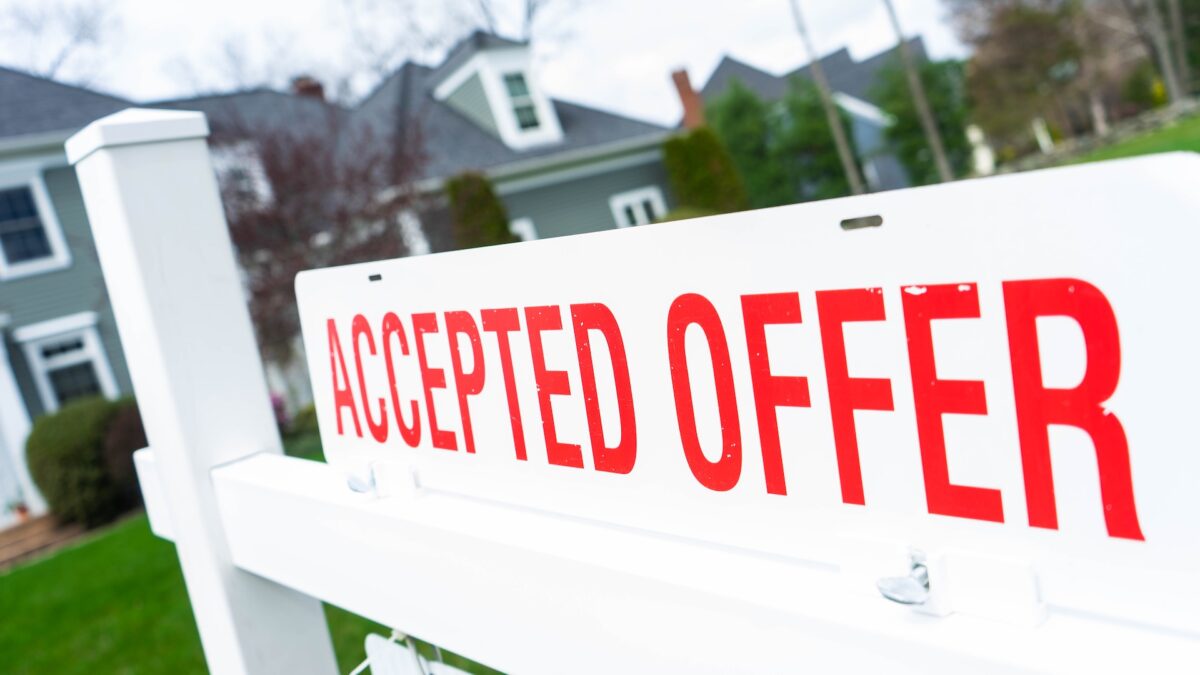
What Can Go Wrong After Your Offer Is Accepted?

Getting your offer accepted on a home feels like crossing the finish line—but in reality, it’s just the beginning of a critical phase. Between acceptance and closing, several things can still derail the transaction. Understanding these risks can help you stay prepared and keep your deal on track.

1. Financing Falls Through

Even if you’ve been pre-approved, your mortgage isn’t guaranteed until final underwriting is complete. Changes in your financial situation—like taking on new debt, changing jobs, or missing payments—can lead to loan denial.

How to avoid it: Keep your finances stable. Avoid major purchases, job changes, or opening new credit lines until after closing.

2. Home Inspection Surprises

Inspections often uncover issues ranging from minor repairs to major structural problems. In some cases, buyers may back out or renegotiate, causing delays or even deal termination.

How to avoid it: Attend the inspection if possible and review the report carefully. Be ready to negotiate repairs or credits with the seller.

3. Appraisal Comes in Low

If the property appraises for less than the agreed purchase price, lenders may not approve the full loan amount. This creates a gap that must be addressed.

How to avoid it: Be prepared to renegotiate the price, cover the difference in cash, or walk away if your contract allows.

4. Title Issues

Problems with the property title—such as unpaid liens, disputes, or unclear ownership—can delay or stop the sale.

How to avoid it: Work with a reputable title company and ensure title insurance is part of your closing process.

5. Contingency Complications

Most contracts include contingencies (inspection, financing, appraisal). If these aren’t met within the agreed timeframe, the deal can fall apart.

How to avoid it: Stay on top of deadlines and maintain clear communication with your agent and lender.

6. Seller-Related Delays

Sellers can also face issues—such as failing to find a new home, unresolved repairs, or last-minute changes—that impact closing timelines.

How to avoid it: Build flexibility into your timeline and maintain open communication with the seller’s side.

7. Insurance Problems

If the home is in a high-risk area (flood zone, wildfire region), obtaining affordable homeowners insurance can be difficult, which may affect loan approval.

How to avoid it: Research insurance requirements early and get quotes as soon as your offer is accepted.

8. Final Walkthrough Issues

The property’s condition at final walkthrough may not match expectations—repairs may be incomplete, or damage may have occurred after the inspection.

How to avoid it: Schedule your walkthrough as close to closing as possible and ensure all agreed repairs are completed.

Final Thoughts

An accepted offer is a major milestone, but it doesn’t guarantee a smooth path to closing. Staying informed, proactive, and flexible can make all the difference. With the right preparation and guidance, you can navigate these potential pitfalls and successfully reach the finish line—homeownership.

If you’re planning to buy a home, working with an experienced real estate professional can help you anticipate issues and protect your investment every step of the way.

Compliments of Virtual Results

Categories
HOME TIPS

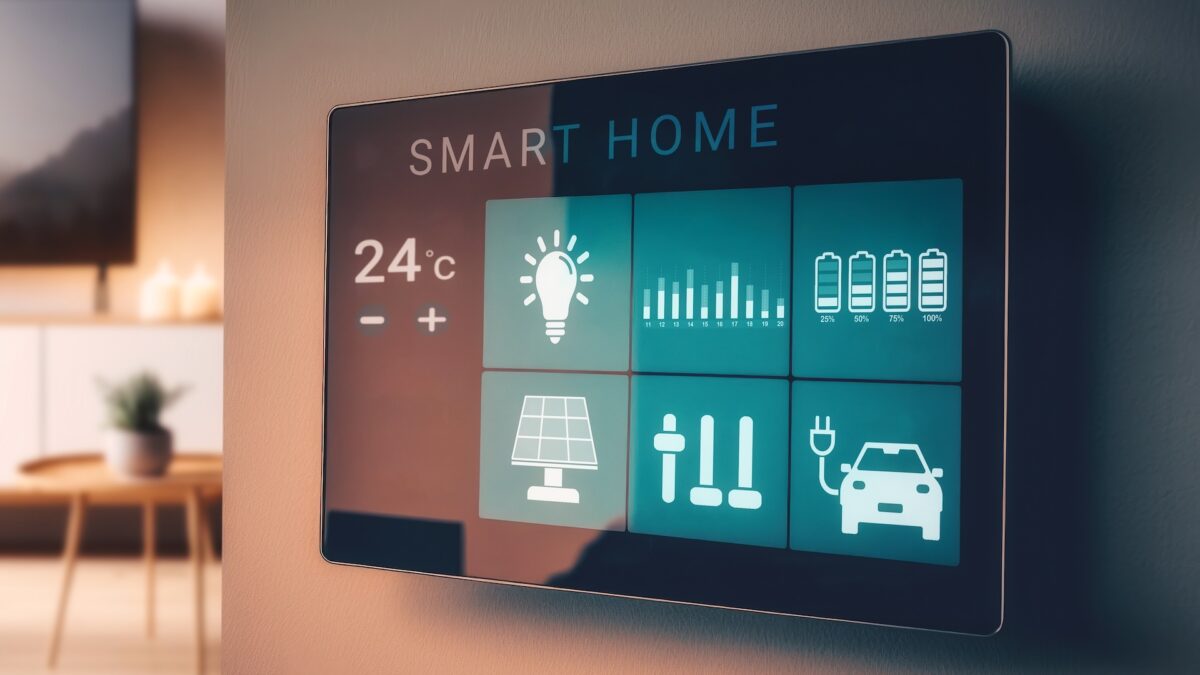
Smart Homes: What Buyers Actually Value Now

The idea of a “smart home” has evolved far beyond voice assistants and app-controlled lights. While early adopters once chased novelty, today’s homebuyers are far more practical. They’re not just asking, “Is this home smart?”—they’re asking, “Does this technology actually improve my life?”

If you’re selling, developing, or investing in real estate, understanding what buyers truly value in smart homes can make a measurable difference in both appeal and price.

1. Security Still Leads the List

Smart security features remain the most desirable—and for good reason. Buyers consistently prioritize safety over convenience gimmicks.

The most valued features include:

  • Video doorbells with real-time alerts
  • Smart locks with remote access
  • Integrated security systems (cameras, sensors, alarms)
  • Motion detection and outdoor surveillance

What matters isn’t just having these features, but how seamlessly they work together. Buyers prefer systems that are easy to manage from a single app rather than juggling multiple platforms.

2. Energy Efficiency Is No Longer Optional

Rising energy costs and environmental awareness have made efficiency a major selling point. Smart homes are increasingly expected to help reduce utility bills, not increase them.

Top features buyers look for:

  • Smart thermostats that learn usage patterns
  • Energy monitoring systems
  • Automated lighting with occupancy sensors
  • Solar integration with smart management systems

Homes that can demonstrate actual savings—through data or past utility records—have a clear advantage.

3. Simplicity Beats Complexity

One of the biggest shifts in buyer preference is a move away from overly complicated setups. Early smart homes often required technical know-how, which turned many buyers off.

Today, the winning formula is:

  • Easy setup
  • Intuitive interfaces
  • Minimal maintenance
  • Compatibility with common ecosystems (Google, Apple, Alexa)

If a system requires a manual or constant troubleshooting, it quickly loses its appeal.

4. Reliability Over Flashy Features

Buyers are less impressed by cutting-edge tech that feels experimental. Instead, they want proven, reliable systems that work consistently.

For example:

  • Automated blinds are appreciated—but only if they operate smoothly every time
  • Smart appliances are attractive—but only if they integrate well and don’t overcomplicate daily tasks

In short, dependable functionality is more valuable than innovation for its own sake.

5. Remote Control and Automation That Makes Sense

Automation is still a major draw—but only when it serves a clear purpose. Buyers appreciate features that save time or improve comfort without requiring constant input.

Popular automations include:

  • Climate adjustments based on occupancy
  • Scheduled lighting routines
  • Security systems that arm automatically
  • Leak detection systems that send instant alerts

The key is subtlety. The best smart homes feel effortless, not overwhelming.

6. Future-Proofing Matters

Tech evolves quickly, and buyers are increasingly aware of that. They want homes that won’t become outdated in a few years.

What helps:

  • Systems that receive regular software updates
  • Open-platform compatibility
  • Infrastructure like strong Wi-Fi coverage and wired networking

A “future-ready” home is often more appealing than one packed with soon-to-be-obsolete gadgets.

7. Wellness and Comfort Features Are Growing

A newer trend is the integration of health and wellness technology. While not yet universal, demand is rising.

These include:

  • Smart air purifiers and air quality monitors
  • Circadian lighting systems
  • Smart water filtration tracking
  • Temperature zoning for personalized comfort

These features resonate especially with families and high-end buyers.

The Bottom Line

Smart homes are no longer about showing off the latest technology—they’re about delivering real, everyday value. Buyers want homes that are secure, efficient, easy to use, and built to last.

For sellers and developers, the takeaway is clear: prioritize practicality over novelty. The smartest homes today aren’t the most complex—they’re the ones that simply work better for the people living in them.

Compliments of Virtual Results

Categories
BUYING

Why “Dream Homes” Often Lead to Bad Financial Decisions

For many people, buying a home is more than a financial decision—it’s deeply emotional. The idea of a “dream home” is often tied to success, stability, and personal identity. But while the vision is appealing, the pursuit of that perfect property can quietly push buyers into risky financial territory.

In reality, what feels like a dream can quickly turn into a long-term financial burden if decisions are driven more by emotion than logic.

The Emotional Trap of the “Dream Home”

Real estate marketing thrives on aspiration. Words like luxury, forever home, and once-in-a-lifetime opportunity are designed to stir emotion. Buyers start imagining their future lives in the space—family gatherings, personal milestones, a sense of arrival.

The problem is that emotional attachment can override financial discipline. When that happens, buyers are more likely to:

  • Stretch beyond their budget
  • Ignore red flags
  • Justify higher costs without solid reasoning

What begins as excitement can lead to commitments that are difficult to sustain.

Overspending Beyond Your Means

One of the most common mistakes is buying more house than you can comfortably afford. Lenders may approve a high loan amount, but approval doesn’t always equal affordability.

A “dream home” often comes with:

  • Higher mortgage payments
  • Increased property taxes
  • Expensive maintenance and repairs
  • Costly homeowners’ association (HOA) fees

When these costs pile up, homeowners may find themselves financially stretched, with little room for savings, emergencies, or lifestyle flexibility.

Underestimating the True Cost of Ownership

The purchase price is only part of the equation. Dream homes—especially larger or more luxurious properties—tend to have hidden costs that buyers overlook in the excitement.

These can include:

  • Utility bills for larger spaces
  • Landscaping and upkeep
  • Insurance premiums
  • Renovations to maintain the home’s “ideal” standard

Over time, these expenses can erode financial stability, turning a dream into a source of stress.

The “Forever Home” Illusion

Many buyers justify overspending by labeling a property as their “forever home.” While it sounds practical, life rarely follows a fixed plan.

Career changes, family needs, economic shifts, or personal priorities can all lead to relocation. When that happens, an overpriced or highly customized home may be harder to sell or may not yield a good return on investment.

Opportunity Cost: What You Give Up

Every peso (or dollar) tied up in an expensive home is money that can’t be used elsewhere. Overspending on a property can limit your ability to:

  • Invest in other assets
  • Build an emergency fund
  • Travel or pursue personal goals
  • Start or grow a business

A dream home shouldn’t come at the cost of long-term financial freedom.

Social Pressure and Comparison

In today’s digital world, social media plays a significant role in shaping expectations. Seeing curated images of beautiful homes can create pressure to “keep up,” even if it doesn’t align with your financial reality.

This comparison mindset can push buyers toward properties that look impressive but don’t make practical sense.

How to Make Smarter Home Buying Decisions

Avoiding the dream home trap doesn’t mean settling—it means making intentional, informed choices.

Here are a few practical strategies:

  1. Define Your Budget Realistically
    Focus on what you can comfortably afford, not just what a lender approves.
  2. Prioritize Needs Over Wants
    Separate essential features (location, safety, accessibility) from luxury upgrades.
  3. Think Long-Term Flexibility
    Choose a home that adapts to change rather than locking you into one vision of the future.
  4. Run the Numbers Carefully
    Factor in all ownership costs, not just the mortgage.
  5. Stay Emotionally Grounded
    Take your time. If a property feels like “the one,” step back and evaluate it logically before committing.

Final Thoughts

There’s nothing wrong with wanting a beautiful home—but when the idea of a “dream” overrides financial reality, it can lead to decisions that are hard to undo.

The best home isn’t necessarily the most impressive one—it’s the one that supports your life, your goals, and your financial well-being.

Compliments of Virtual Results