Categories
BUYING

What Can Go Wrong After Your Offer Is Accepted?

Getting your offer accepted on a home feels like crossing the finish line—but in reality, it’s just the beginning of a critical phase. Between acceptance and closing, several things can still derail the transaction. Understanding these risks can help you stay prepared and keep your deal on track.

1. Financing Falls Through

Even if you’ve been pre-approved, your mortgage isn’t guaranteed until final underwriting is complete. Changes in your financial situation—like taking on new debt, changing jobs, or missing payments—can lead to loan denial.

How to avoid it: Keep your finances stable. Avoid major purchases, job changes, or opening new credit lines until after closing.

2. Home Inspection Surprises

Inspections often uncover issues ranging from minor repairs to major structural problems. In some cases, buyers may back out or renegotiate, causing delays or even deal termination.

How to avoid it: Attend the inspection if possible and review the report carefully. Be ready to negotiate repairs or credits with the seller.

3. Appraisal Comes in Low

If the property appraises for less than the agreed purchase price, lenders may not approve the full loan amount. This creates a gap that must be addressed.

How to avoid it: Be prepared to renegotiate the price, cover the difference in cash, or walk away if your contract allows.

4. Title Issues

Problems with the property title—such as unpaid liens, disputes, or unclear ownership—can delay or stop the sale.

How to avoid it: Work with a reputable title company and ensure title insurance is part of your closing process.

5. Contingency Complications

Most contracts include contingencies (inspection, financing, appraisal). If these aren’t met within the agreed timeframe, the deal can fall apart.

How to avoid it: Stay on top of deadlines and maintain clear communication with your agent and lender.

6. Seller-Related Delays

Sellers can also face issues—such as failing to find a new home, unresolved repairs, or last-minute changes—that impact closing timelines.

How to avoid it: Build flexibility into your timeline and maintain open communication with the seller’s side.

7. Insurance Problems

If the home is in a high-risk area (flood zone, wildfire region), obtaining affordable homeowners insurance can be difficult, which may affect loan approval.

How to avoid it: Research insurance requirements early and get quotes as soon as your offer is accepted.

8. Final Walkthrough Issues

The property’s condition at final walkthrough may not match expectations—repairs may be incomplete, or damage may have occurred after the inspection.

How to avoid it: Schedule your walkthrough as close to closing as possible and ensure all agreed repairs are completed.

Final Thoughts

An accepted offer is a major milestone, but it doesn’t guarantee a smooth path to closing. Staying informed, proactive, and flexible can make all the difference. With the right preparation and guidance, you can navigate these potential pitfalls and successfully reach the finish line—homeownership.

If you’re planning to buy a home, working with an experienced real estate professional can help you anticipate issues and protect your investment every step of the way.

Compliments of Virtual Results
Categories
HOME TIPS

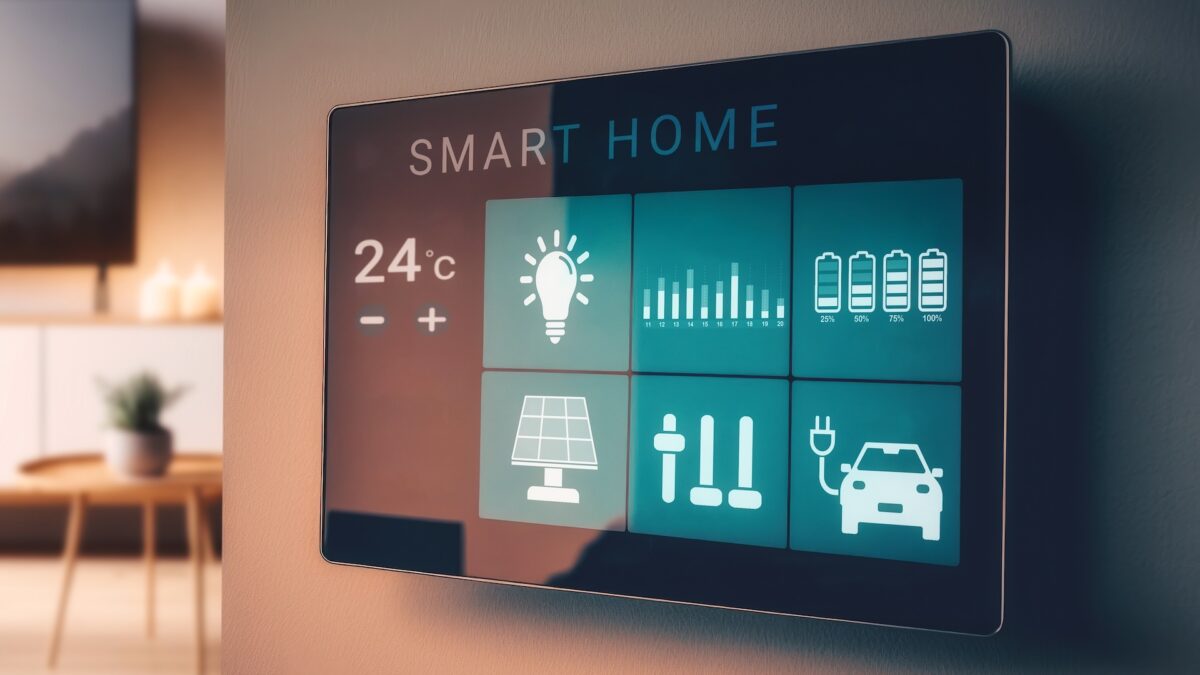
Smart Homes: What Buyers Actually Value Now

The idea of a “smart home” has evolved far beyond voice assistants and app-controlled lights. While early adopters once chased novelty, today’s homebuyers are far more practical. They’re not just asking, “Is this home smart?”—they’re asking, “Does this technology actually improve my life?”

If you’re selling, developing, or investing in real estate, understanding what buyers truly value in smart homes can make a measurable difference in both appeal and price.

1. Security Still Leads the List

Smart security features remain the most desirable—and for good reason. Buyers consistently prioritize safety over convenience gimmicks.

The most valued features include:

  • Video doorbells with real-time alerts
  • Smart locks with remote access
  • Integrated security systems (cameras, sensors, alarms)
  • Motion detection and outdoor surveillance

What matters isn’t just having these features, but how seamlessly they work together. Buyers prefer systems that are easy to manage from a single app rather than juggling multiple platforms.

2. Energy Efficiency Is No Longer Optional

Rising energy costs and environmental awareness have made efficiency a major selling point. Smart homes are increasingly expected to help reduce utility bills, not increase them.

Top features buyers look for:

  • Smart thermostats that learn usage patterns
  • Energy monitoring systems
  • Automated lighting with occupancy sensors
  • Solar integration with smart management systems

Homes that can demonstrate actual savings—through data or past utility records—have a clear advantage.

3. Simplicity Beats Complexity

One of the biggest shifts in buyer preference is a move away from overly complicated setups. Early smart homes often required technical know-how, which turned many buyers off.

Today, the winning formula is:

  • Easy setup
  • Intuitive interfaces
  • Minimal maintenance
  • Compatibility with common ecosystems (Google, Apple, Alexa)

If a system requires a manual or constant troubleshooting, it quickly loses its appeal.

4. Reliability Over Flashy Features

Buyers are less impressed by cutting-edge tech that feels experimental. Instead, they want proven, reliable systems that work consistently.

For example:

  • Automated blinds are appreciated—but only if they operate smoothly every time
  • Smart appliances are attractive—but only if they integrate well and don’t overcomplicate daily tasks

In short, dependable functionality is more valuable than innovation for its own sake.

5. Remote Control and Automation That Makes Sense

Automation is still a major draw—but only when it serves a clear purpose. Buyers appreciate features that save time or improve comfort without requiring constant input.

Popular automations include:

  • Climate adjustments based on occupancy
  • Scheduled lighting routines
  • Security systems that arm automatically
  • Leak detection systems that send instant alerts

The key is subtlety. The best smart homes feel effortless, not overwhelming.

6. Future-Proofing Matters

Tech evolves quickly, and buyers are increasingly aware of that. They want homes that won’t become outdated in a few years.

What helps:

  • Systems that receive regular software updates
  • Open-platform compatibility
  • Infrastructure like strong Wi-Fi coverage and wired networking

A “future-ready” home is often more appealing than one packed with soon-to-be-obsolete gadgets.

7. Wellness and Comfort Features Are Growing

A newer trend is the integration of health and wellness technology. While not yet universal, demand is rising.

These include:

  • Smart air purifiers and air quality monitors
  • Circadian lighting systems
  • Smart water filtration tracking
  • Temperature zoning for personalized comfort

These features resonate especially with families and high-end buyers.

The Bottom Line

Smart homes are no longer about showing off the latest technology—they’re about delivering real, everyday value. Buyers want homes that are secure, efficient, easy to use, and built to last.

For sellers and developers, the takeaway is clear: prioritize practicality over novelty. The smartest homes today aren’t the most complex—they’re the ones that simply work better for the people living in them.

Compliments of Virtual Results

Categories
BUYING

Why “Dream Homes” Often Lead to Bad Financial Decisions

For many people, buying a home is more than a financial decision—it’s deeply emotional. The idea of a “dream home” is often tied to success, stability, and personal identity. But while the vision is appealing, the pursuit of that perfect property can quietly push buyers into risky financial territory.

In reality, what feels like a dream can quickly turn into a long-term financial burden if decisions are driven more by emotion than logic.

The Emotional Trap of the “Dream Home”

Real estate marketing thrives on aspiration. Words like luxury, forever home, and once-in-a-lifetime opportunity are designed to stir emotion. Buyers start imagining their future lives in the space—family gatherings, personal milestones, a sense of arrival.

The problem is that emotional attachment can override financial discipline. When that happens, buyers are more likely to:

  • Stretch beyond their budget
  • Ignore red flags
  • Justify higher costs without solid reasoning

What begins as excitement can lead to commitments that are difficult to sustain.

Overspending Beyond Your Means

One of the most common mistakes is buying more house than you can comfortably afford. Lenders may approve a high loan amount, but approval doesn’t always equal affordability.

A “dream home” often comes with:

  • Higher mortgage payments
  • Increased property taxes
  • Expensive maintenance and repairs
  • Costly homeowners’ association (HOA) fees

When these costs pile up, homeowners may find themselves financially stretched, with little room for savings, emergencies, or lifestyle flexibility.

Underestimating the True Cost of Ownership

The purchase price is only part of the equation. Dream homes—especially larger or more luxurious properties—tend to have hidden costs that buyers overlook in the excitement.

These can include:

  • Utility bills for larger spaces
  • Landscaping and upkeep
  • Insurance premiums
  • Renovations to maintain the home’s “ideal” standard

Over time, these expenses can erode financial stability, turning a dream into a source of stress.

The “Forever Home” Illusion

Many buyers justify overspending by labeling a property as their “forever home.” While it sounds practical, life rarely follows a fixed plan.

Career changes, family needs, economic shifts, or personal priorities can all lead to relocation. When that happens, an overpriced or highly customized home may be harder to sell or may not yield a good return on investment.

Opportunity Cost: What You Give Up

Every peso (or dollar) tied up in an expensive home is money that can’t be used elsewhere. Overspending on a property can limit your ability to:

  • Invest in other assets
  • Build an emergency fund
  • Travel or pursue personal goals
  • Start or grow a business

A dream home shouldn’t come at the cost of long-term financial freedom.

Social Pressure and Comparison

In today’s digital world, social media plays a significant role in shaping expectations. Seeing curated images of beautiful homes can create pressure to “keep up,” even if it doesn’t align with your financial reality.

This comparison mindset can push buyers toward properties that look impressive but don’t make practical sense.

How to Make Smarter Home Buying Decisions

Avoiding the dream home trap doesn’t mean settling—it means making intentional, informed choices.

Here are a few practical strategies:

  1. Define Your Budget Realistically
    Focus on what you can comfortably afford, not just what a lender approves.
  2. Prioritize Needs Over Wants
    Separate essential features (location, safety, accessibility) from luxury upgrades.
  3. Think Long-Term Flexibility
    Choose a home that adapts to change rather than locking you into one vision of the future.
  4. Run the Numbers Carefully
    Factor in all ownership costs, not just the mortgage.
  5. Stay Emotionally Grounded
    Take your time. If a property feels like “the one,” step back and evaluate it logically before committing.

Final Thoughts

There’s nothing wrong with wanting a beautiful home—but when the idea of a “dream” overrides financial reality, it can lead to decisions that are hard to undo.

The best home isn’t necessarily the most impressive one—it’s the one that supports your life, your goals, and your financial well-being.

Compliments of Virtual Results

Categories
MORTGAGE & FINANCE

When Does Refinancing Actually Make Sense?

Refinancing a mortgage can sound like a no-brainer—lower your interest rate, reduce your monthly payment, and save money. But in reality, refinancing only makes sense under specific circumstances. Done at the wrong time, it can cost more than it saves. Done strategically, it can significantly improve your financial position.

Here’s how to tell the difference.

What Is Refinancing, Really?

Refinancing means replacing your existing mortgage with a new one—typically with different terms. Homeowners usually refinance to secure a lower interest rate, adjust the loan term, switch loan types, or tap into home equity.

But every refinance comes with costs, which is why timing and intent matter.

1. When Interest Rates Drop Significantly

The most common reason to refinance is to lock in a lower interest rate. Even a modest drop can lead to meaningful savings over time.

A general rule of thumb: If you can reduce your rate by at least 0.5% to 1%, refinancing may be worth considering.

However, the real question is whether the long-term savings outweigh the upfront costs.

2. When You Plan to Stay in Your Home Long Enough

Refinancing isn’t free. Closing costs typically range from 2% to 5% of the loan amount. To determine if it’s worth it, you need to calculate your break-even point—the time it takes for monthly savings to offset those costs.

If you plan to move before reaching that break-even point, refinancing likely doesn’t make sense.

3. When You Want to Lower Monthly Payments

If your financial situation has changed, refinancing into a lower monthly payment can provide breathing room. This is often done by:

  • Securing a lower interest rate
  • Extending the loan term (e.g., from 20 years back to 30)

While this can improve short-term cash flow, keep in mind it may increase the total interest paid over time.

4. When You Want to Pay Off Your Loan Faster

Refinancing into a shorter-term loan—like moving from a 30-year to a 15-year mortgage—can help you build equity faster and save significantly on interest.

This option makes sense if:

  • You have stable income
  • You can comfortably handle higher monthly payments
  • You want long-term savings over short-term flexibility

5. When You Want to Tap Into Home Equity

A cash-out refinance allows you to borrow against your home’s value and receive the difference in cash. Homeowners often use this for:

  • Home improvements
  • Debt consolidation
  • Major expenses

This strategy can make sense if you’re replacing high-interest debt or investing in your property—but it also increases your loan balance, so it should be approached carefully.

6. When You Want to Switch Loan Types

Refinancing can also help you move into a more stable or favorable loan structure, such as:

  • Switching from an adjustable-rate mortgage (ARM) to a fixed-rate loan
  • Removing private mortgage insurance (PMI) after building enough equity

These changes can improve predictability and reduce long-term costs.

When Refinancing Doesn’t Make Sense

Refinancing may not be the right move if:

  • You’re planning to sell your home soon
  • The closing costs outweigh potential savings
  • Your credit score has declined, leading to worse loan terms
  • You’re extending your loan term significantly without clear financial benefit

The Bottom Line

Refinancing makes sense when it aligns with your financial goals—whether that’s saving money, reducing risk, or improving cash flow. The key is to look beyond the headline interest rate and consider the full picture: costs, timing, and long-term impact.

Before making a decision, run the numbers carefully or consult a mortgage professional. The right refinance can be a powerful financial tool—but only when the timing is right.

Compliments of Virtual Results

Categories
REAL ESTATE TIPS

Is April the Best Month to List? Here’s What History Says

If you’re thinking about selling your home, timing can feel like everything. You’ve probably heard that spring is the “hot season” for real estate — but is April really the best month to list?

Let’s take a closer look at what historical data and market trends suggest.

Why Spring Is Prime Time for Sellers

Year after year, spring emerges as one of the strongest seasons for home sales. Buyer activity typically ramps up in March and peaks between April and June. There are several reasons why:

  • Better weather makes home tours more pleasant.
  • Longer daylight hours allow for more showings.
  • School calendars motivate families to move before summer.
  • Tax refunds and bonuses give buyers extra purchasing power.

April sits right in the sweet spot — early enough to avoid peak competition, but late enough to capture motivated spring buyers.

What Historical Trends Show

Looking at national housing data over the past decade, homes listed in April often:

  • Sell faster than average
  • Receive more competitive offers
  • Command higher sale prices compared to late summer or fall listings

In many markets, April listings benefit from high demand and relatively limited inventory — a formula that can drive stronger negotiating power for sellers.

While May and June are also strong months, April listings often attract serious buyers who are eager to secure a home before competition intensifies.

But Does April Work Everywhere?

Real estate is local.

In warmer climates, the market may heat up as early as February or March. In colder regions, activity might not fully pick up until late April or even May. Local inventory levels, interest rates, and economic conditions can also influence whether April is truly optimal in your area.

That’s why reviewing neighborhood-specific data is just as important as looking at national trends.

Pros of Listing in April

  • High buyer demand
  • Attractive curb appeal (spring landscaping helps!)
  • Faster sales timelines
  • Potential for multiple offers

Potential Downsides

  • Increased competition from other sellers
  • Weather variability in some regions
  • Pricing pressure if inventory spikes

Preparation is key. Homes that are properly staged, priced strategically, and professionally marketed tend to outperform regardless of the month.

The Bottom Line

Historically speaking, April has consistently ranked among the best months to list a home. Strong buyer demand, favorable weather, and strategic timing before peak summer inventory all work in a seller’s favor.

However, the “best” month ultimately depends on your local market conditions, your personal timeline, and your home’s readiness.

If you’re considering listing this spring, now is the time to start preparing. A well-timed launch in April could mean more interest, stronger offers, and a smoother closing process.

Compliments of Virtual Results

Categories
SELLING

Why Your Home Isn’t Selling — And How to Fix It

You listed your home. You cleaned, staged, and waited.

And waited.

If your home isn’t selling, you’re not alone. Even in active markets, some properties sit longer than expected. The good news? There’s always a reason — and usually a fix.

Here are the most common reasons homes don’t sell and what you can do to turn things around.

1. Your Price Is Too High

The Problem:

Overpricing is the #1 reason homes don’t sell. Buyers today are savvy. They compare properties online, track price reductions, and know market value instantly.

An overpriced home:

  • Gets fewer showings
  • Sits longer on the market
  • Eventually requires price cuts
  • Raises red flags for buyers

The longer a home sits, the more buyers wonder what’s wrong with it.

The Fix:

  • Review recent comparable sales (not just active listings)
  • Look at homes that actually sold, not ones that are still sitting
  • Adjust strategically — sometimes even slightly under market value to generate competition

Pricing correctly from day one creates urgency and attracts serious buyers.

2. Poor First Impression (Online and In Person)

The Problem:

Today’s buyers shop online first. If your photos, headline, or curb appeal don’t impress, they scroll right past.

Common mistakes:

  • Dark or blurry listing photos
  • Cluttered rooms
  • Unmowed lawn or peeling paint
  • Strong odors during showings

Buyers decide within seconds whether they’re interested.

The Fix:

  • Invest in professional photography
  • Declutter and depersonalize
  • Improve curb appeal (fresh mulch, trimmed hedges, clean entryway)
  • Consider light staging to highlight space

Small cosmetic updates can dramatically improve buyer perception.

3. The Home Needs Repairs

The Problem:

Buyers today prefer move-in ready homes. Even minor issues can feel overwhelming to them.

Examples:

  • Leaky faucets
  • Cracked tiles
  • Outdated light fixtures
  • Peeling paint

These may seem minor, but buyers see them as signs of poor maintenance.

The Fix:

  • Complete inexpensive repairs before listing
  • Touch up paint in neutral colors
  • Replace outdated hardware or lighting
  • Consider a pre-listing inspection to identify hidden problems

Fixing small issues upfront prevents buyers from overestimating repair costs.

4. Limited Marketing Exposure

The Problem:

If buyers don’t see your home, they can’t buy it.

Some listings suffer from:

  • Weak online descriptions
  • Limited social media promotion
  • No video walkthrough
  • Poor targeting of ideal buyers

The Fix:

Strong marketing should include:

  • Professional photography and video
  • Compelling listing description
  • Social media advertising
  • Email marketing
  • Multiple listing platform exposure

The right marketing creates visibility — and visibility creates offers.

5. You’re in the Wrong Market Timing

The Problem:

Market conditions change. Interest rates, local inventory, seasonality, and buyer demand all impact activity.

If:

  • Inventory is high
  • Interest rates are rising
  • It’s a slower seasonal period

Your home may take longer to sell.

The Fix:

  • Be flexible with negotiations
  • Offer incentives (closing cost assistance, rate buydown)
  • Adjust expectations based on market conditions
  • Ensure pricing reflects current demand — not last year’s market

Real estate markets shift quickly. Strategy must shift too.

6. The Home Feels “Too Personal”

The Problem:

Buyers need to imagine themselves living in the home. If it feels overly personalized, that’s hard to do.

Examples:

  • Bold paint colors
  • Family photos everywhere
  • Niche décor themes

The Fix:

  • Remove personal photos
  • Repaint bold walls with neutral tones
  • Simplify décor
  • Create a clean, welcoming atmosphere

Think “model home,” not “lived-in home.”

7. Showing Restrictions Are Limiting Interest

The Problem:

If your home is difficult to show, buyers may skip it.

Restrictions like:

  • Limited showing windows
  • Short notice requirements
  • No weekend availability

Can reduce potential traffic.

The Fix:

  • Be as flexible as possible
  • Allow weekend and evening showings
  • Keep the home show-ready

More access = more opportunity.

Final Thoughts: It’s Usually Strategy, Not Luck

When a home doesn’t sell, it’s rarely random.

It usually comes down to one (or more) of these factors:

  • Price
  • Presentation
  • Marketing
  • Condition
  • Timing

The good news? Every one of these can be adjusted.

If your home has been sitting on the market, don’t panic. Reassess, adjust, and relaunch with a smarter strategy.

The right approach can turn “no activity” into multiple offers.

Compliments of Virtual Results

Categories
REAL ESTATE TIPS

What to Fix Before Listing (And What to Leave Alone)

When you’re preparing to sell your home, it’s tempting to fix everything. But not all repairs offer a strong return on investment—and some upgrades simply aren’t worth the time or money.

If you want to sell faster and for the best possible price, focus on strategic improvements that matter most to buyers.

Here’s what to fix before listing—and what you can confidently leave alone.

What to Fix Before Listing

1. Anything That Signals Neglect

Buyers notice small issues—and they assume bigger ones may be hiding.

Fix:

  • Leaky faucets
  • Running toilets
  • Loose door handles
  • Squeaky hinges
  • Cracked outlet covers
  • Burned-out light bulbs

These are inexpensive repairs, but they send a powerful message: this home has been well maintained.

2. Major Systems (If There’s a Problem)

If your HVAC, roof, plumbing, or electrical systems have known issues, address them before listing.

Why?

  • Buyers will likely uncover them during inspection.
  • Unresolved issues can derail negotiations.
  • You may end up giving larger concessions later.

If full replacement isn’t realistic, at least repair obvious problems and be transparent about the condition.

3. Fresh Neutral Paint

Few upgrades offer a better return than paint.

Consider repainting:

  • Bright or bold-colored rooms
  • Heavily scuffed walls
  • Dark spaces that need brightening

Stick with neutral tones (soft whites, light grays, warm beige). Neutral homes photograph better and appeal to more buyers.

4. Curb Appeal Basics

First impressions matter—online and in person.

Focus on:

  • Mowing and edging the lawn
  • Trimming bushes
  • Mulching flower beds
  • Power washing siding and walkways
  • Painting the front door (if worn)

You don’t need a full landscape redesign. Clean, tidy, and welcoming is the goal.

5. Flooring Issues

Replace or repair:

  • Torn carpet
  • Severely scratched hardwood
  • Broken tiles

If carpet is badly worn, replacement often pays off. If flooring is outdated but in good condition, that’s a different story (see below).

What to Leave Alone

1. Full Kitchen or Bathroom Remodels

Major remodels rarely return 100% of their cost before a sale.

Instead of gutting a kitchen:

  • Replace outdated hardware
  • Install a modern faucet
  • Update light fixtures
  • Deep clean grout and surfaces

Small cosmetic improvements often make a bigger impact than expensive renovations.

2. Minor Cosmetic Imperfections

Buyers expect some wear in lived-in homes.

You can usually leave:

  • Small nail holes
  • Minor scuffs
  • Slightly dated but functional cabinetry
  • Older (but working) appliances

Trying to create a “brand-new” home can lead to overspending without increasing your sale price proportionally.

3. Partial Room Upgrades

Avoid upgrading just one element in a way that makes the rest look worse.

For example:

  • Installing luxury countertops but leaving old cabinets
  • Replacing one room’s flooring but not the adjoining areas

This can make the unfinished areas stand out more.

4. Highly Personal Design Changes

Now is not the time to add:

  • Custom built-ins
  • Bold wallpaper
  • Statement tile
  • Trendy design features

When selling, neutral and broadly appealing wins.

The Smart Seller Strategy

Before spending money, ask:

  • Will this repair improve first impressions?
  • Will it prevent inspection issues?
  • Will buyers notice it immediately?
  • Am I likely to recover this cost at closing?

If the answer is no, reconsider the investment.

Final Thoughts

The goal isn’t perfection—it’s presentation and confidence.

Fix anything that signals neglect or raises red flags. Skip major remodels that won’t deliver a strong return. Focus on clean, functional, and move-in ready.

A well-prepared home doesn’t have to be fully renovated—it just needs to feel cared for.

Compliments of Virtual Results

Categories
Uncategorized

16606 Curlew Rd, Jamaica Beach, TX 77554

Discover Your Dream Home in Jamaica Beach, TX – Priced at $600,000!

If you’re searching for the perfect coastal home that offers both luxury and convenience, look no further! This canal-front beauty in Jamaica Beach, TX is now active and ready for you to make it yours. Priced at $600,000, it combines everything you need to live the dream beach lifestyle.

Here are just a few of the Top 10 Reasons why this home should be at the top of your list:


1. Canal-Front Views Right Outside Your Door

Enjoy your morning coffee with the serene sound of the water, and experience the beauty of canal-front living. Whether you love kayaking, boating, or simply watching the boats pass by, this home offers direct access to the water from your backyard.

2. Beach Access Just a Golf Cart Ride Away

You won’t have to travel far to dip your toes in the sand! This home is just a short golf cart ride to the beach, offering you the perfect blend of privacy and easy beach access.

3. Spacious Interior Perfect for Entertaining

Whether you’re hosting a dinner party or enjoying a family meal, the open-concept kitchen with a center island will have you ready to entertain in style. It’s perfect for creating lasting memories with loved ones.

4. Ideal Outdoor Entertainment Space

Step outside and you’ll find a paved outdoor entertainment area, complete with a bar and an outdoor shower—perfect for gathering with friends or cleaning up after a day at the beach.

5. Private Primary Suite

After a day of enjoying the beach, retreat to your private primary suite, which features its own ensuite bath for ultimate relaxation and comfort.

6. Ample Storage Space

With a downstairs garage, you’ll have more than enough room to store your golf cart, beach gear, and anything else you need for coastal living.

7. Close to Galveston’s Best Dining and Attractions

Living in Jamaica Beach means you’re just minutes away from Galveston’s best restaurants, shops, and attractions, offering the best of both worlds—peace and privacy at home, and excitement when you want it.

8. Modern Coastal Design

This home blends modern amenities with a coastal aesthetic, creating a space that feels luxurious yet comfortable. It’s the ideal place to relax and unwind after a busy day.

9. Family-Friendly Neighborhood

The Jamaica Beach area offers a close-knit, family-friendly atmosphere where you’ll find neighbors who become friends. ?

10. Investment Potential

Whether you’re looking for a vacation home or an investment property, this home offers great potential with its prime location and desirable features.

Don’t Miss Your Chance to Own This Dream Home in Jamaica Beach, TX

This canal-front home is a rare find in Jamaica Beach, offering the ideal combination of luxury, lifestyle, and convenience. Priced at $600,000, it won’t be on the market for long.

Call Now for Updated Pricing and to Schedule a Viewing!

Don’t miss your chance to make this coastal paradise your new home! Call 832-583-3233 today for updated pricing and to find out when the home will be available to view. This one won’t last long—schedule your private showing now!

Categories
Uncategorized

13854 W 67th Way, Arvada, CO 80004

Charming Ranch-Style Home Now Active in West Arvada – A Perfect Blend of Comfort and Convenience

Looking for a home for sale in Arvada, CO? This beautiful ranch-style home in West Arvada is now active and ready for you to explore. Featuring single-level living, this home is ideal for those seeking ease and comfort with three spacious bedrooms on the main floor, including a primary suite with its own en-suite bathroom. The fully finished basement adds bonus space with a second fireplace, bar area, a bedroom, bathroom, and a flexible bonus room, perfect for an office, gym, or playroom. The home also boasts a covered patio and a well-maintained backyard, ideal for outdoor relaxation. Located just moments from Ralston Creek Trail, Colorado Tap House, the Apex Center, and West Woods Golf Course, you’ll enjoy easy access to outdoor activities, dining, and recreation, all while being nestled in a quiet, friendly neighborhood. With fresh exterior paint and new siding, this home has great curb appeal and is move-in ready. Call today at 303-529-1816 to get updated pricing and schedule a private viewing before it’s gone!

Categories
Uncategorized

527 Cypresswood Knl, Spring, TX 77373

Charming Home for Sale in Spring, TX – Priced Under $400K! See Why This Could Be Your Dream Home

Are you searching for a charming home in Spring, TX priced under $400K? Look no further! This beautiful 3-bedroom, 2-bathroom home located in the Cypresswood Lake community is a perfect blend of convenience, comfort, and style. Here are just a few of the Top 10 Reasons why this home is the ideal choice for you:

  • Affordable Price Under $400K – At $325,000, this home offers exceptional value for Spring, TX, making it perfect for first-time buyers or those looking to upgrade without breaking the bank.
  • Spacious & Open Floor Plan – The living area features a cozy fireplace and an open-concept layout that flows seamlessly into the kitchen with a breakfast bar, ideal for both relaxing and entertaining.
  • Private Primary Suite – The primary suite provides a peaceful retreat, complete with dual sinks, a soaking tub, a walk-in shower, and a generous walk-in closet.
  • Bright and Airy Bedrooms – All additional bedrooms are filled with natural light, creating a warm and welcoming atmosphere throughout the home.
  • Outdoor Living at Its Best – Enjoy the outdoors in the spacious backyard with a covered patio, perfect for hosting guests or simply unwinding after a long day.
  • Desirable Cypresswood Lake Community – This home is located in a peaceful, family-friendly neighborhood with community amenities such as a pool, green spaces, and scenic lake views—ideal for outdoor lovers.
  • Prime Location – Conveniently located just minutes from I-45 and the Grand Parkway, this home provides easy access to shopping, dining, and entertainment options, including Woodlands Mall and Market Street.
  • Move-In Ready – This home is move-in ready with updated features and finishes, so you can start enjoying your new space immediately.
  • Safety and Security – The Cypresswood Lake community is known for its safe, quiet streets, making it perfect for families and individuals who value peace of mind.
  • Excellent Investment Potential – With its affordable price, great location, and growing community, this home offers strong long-term investment potential.

This home offers affordable luxury in one of Spring’s most desirable neighborhoods. If you’re looking for a spacious, well-maintained home in Cypresswood Lake, this could be the perfect match for you!

Don’t wait! Homes like this won’t last long. Call us at 832-583-3233 today to get updated pricing and schedule your private tour. This home is live and ready for viewing, so be sure to act fast and see it for yourself before it’s gone!